New title
History of Bovendonk
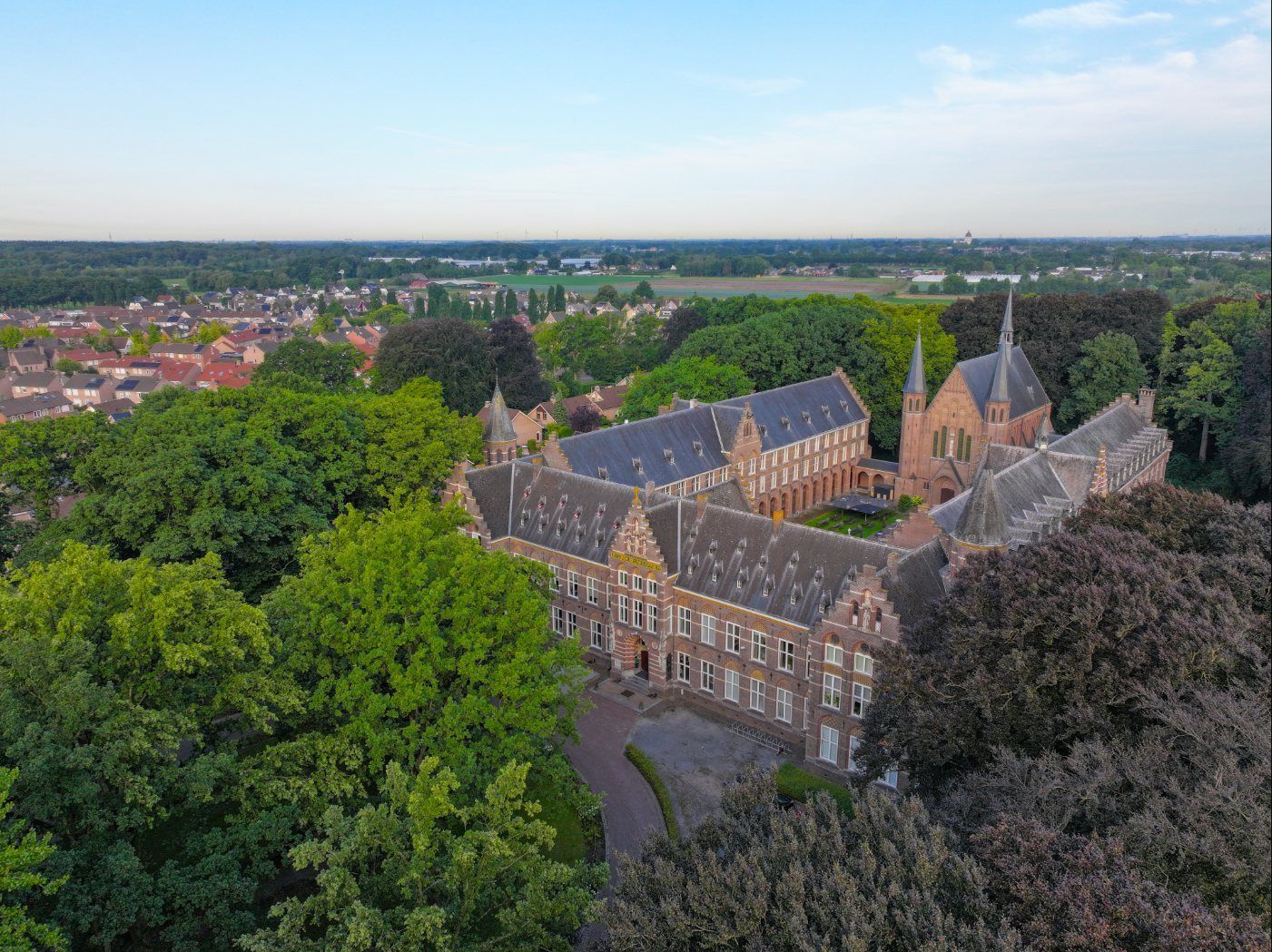
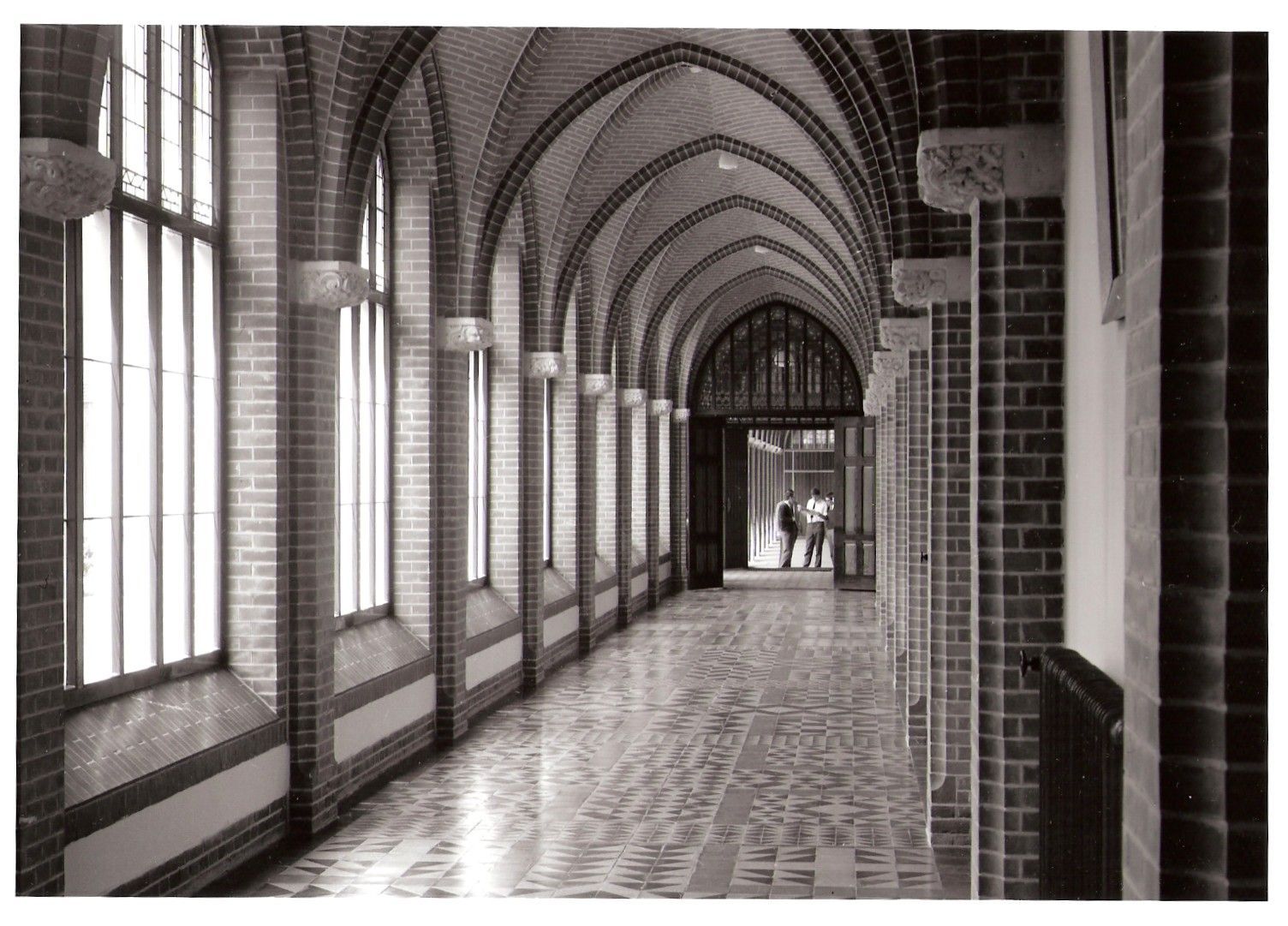
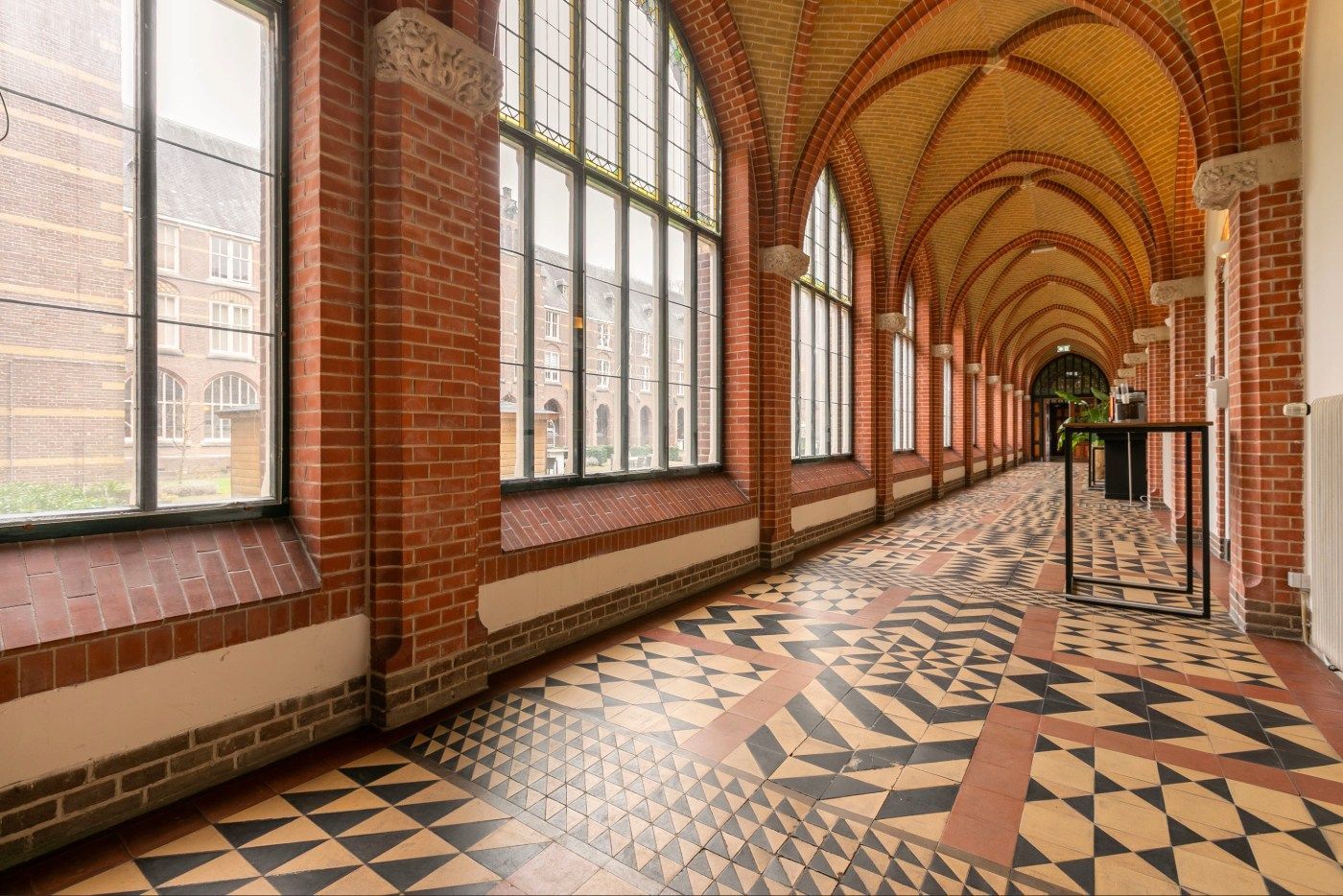
Anyone walking through Bovendonk sees and feels the history of the former seminary. The long corridors, stained-glass windows, chapel, and inner courtyard each tell a part of the story. On this page, we take you from the origins of Bovendonk to the location it is today.
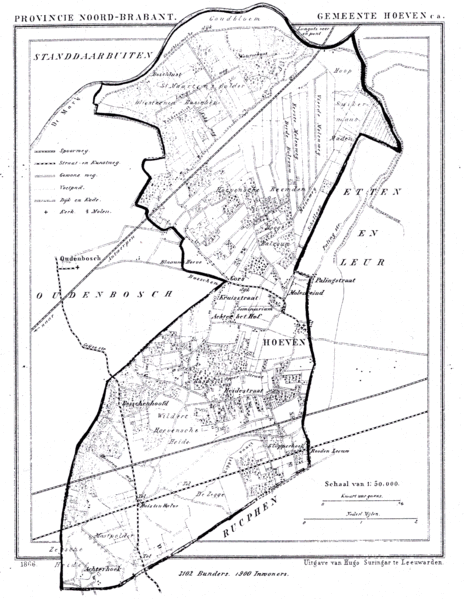
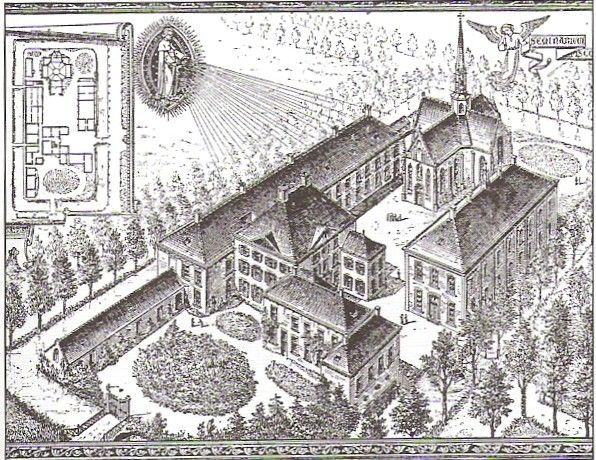
In the year 1282, Arnoud van Leuven, Lord of Breda, donated 100 Hoeven to the St. Bernard Abbey in Hemiksem, near Antwerp. The village of Hoeven derives its name from this. An outlying farm was built close to Hoeven. This farm was situated slightly higher than the surrounding buildings, on top of the Donk.
The brothers' lands are largely marshy and are being drained. As a result, the polders between Hoeven and the River Mark have dried up. The resulting polders are very fertile and suitable for agriculture. Farmers who wished to use these lands had to pay a tithe to the brothers of the outlying farm. The brothers live largely self-sufficiently through the tithe and what they cultivate themselves.
1282: Hoeven is founded.
From the 16th century onwards, turbulent times began. During the Eighty Years' War, the Spaniards occupied Bovendonk. After a fire, Bovendonk was rebuilt in 1596. Forty-five years later, new construction was erected. This was followed by disputes between the Republic and the Abbey over who owned the property. Eventually, ownership returned to the Bishop of Antwerp. In 1795, the French occupied Bovendonk, much to the dissatisfaction of the Catholics, who regained Bovendonk five years later. When Napoleon came to power in France, Bovendonk fell into French hands once again. In 1813, William I came to power and restored the Bishop's authority over Bovendonk.
1798: The rich Catholic life
In 1798, Breda received its first minor seminary where priests were trained. This took place within the framework of the newly established Diocese of Breda. As Apostolic Vicar, Adrianus van Dongen was responsible for setting up and preparing this new Diocese. In 1816, the seminary moved to Bovendonk at the suggestion of the Apostolic Vicar. The president of the seminary, Johannes van Hooijdonk, later became the first Bishop of Breda and took up his seat at Bovendonk.
When the Diocese of Breda was established in 1853, priestly training was placed under the Bishop of Breda. In 1892, the diocese purchased the buildings and land, which were still the property of the Dutch state, for nearly 14,000 guilders.
1561: A time of wars begins.
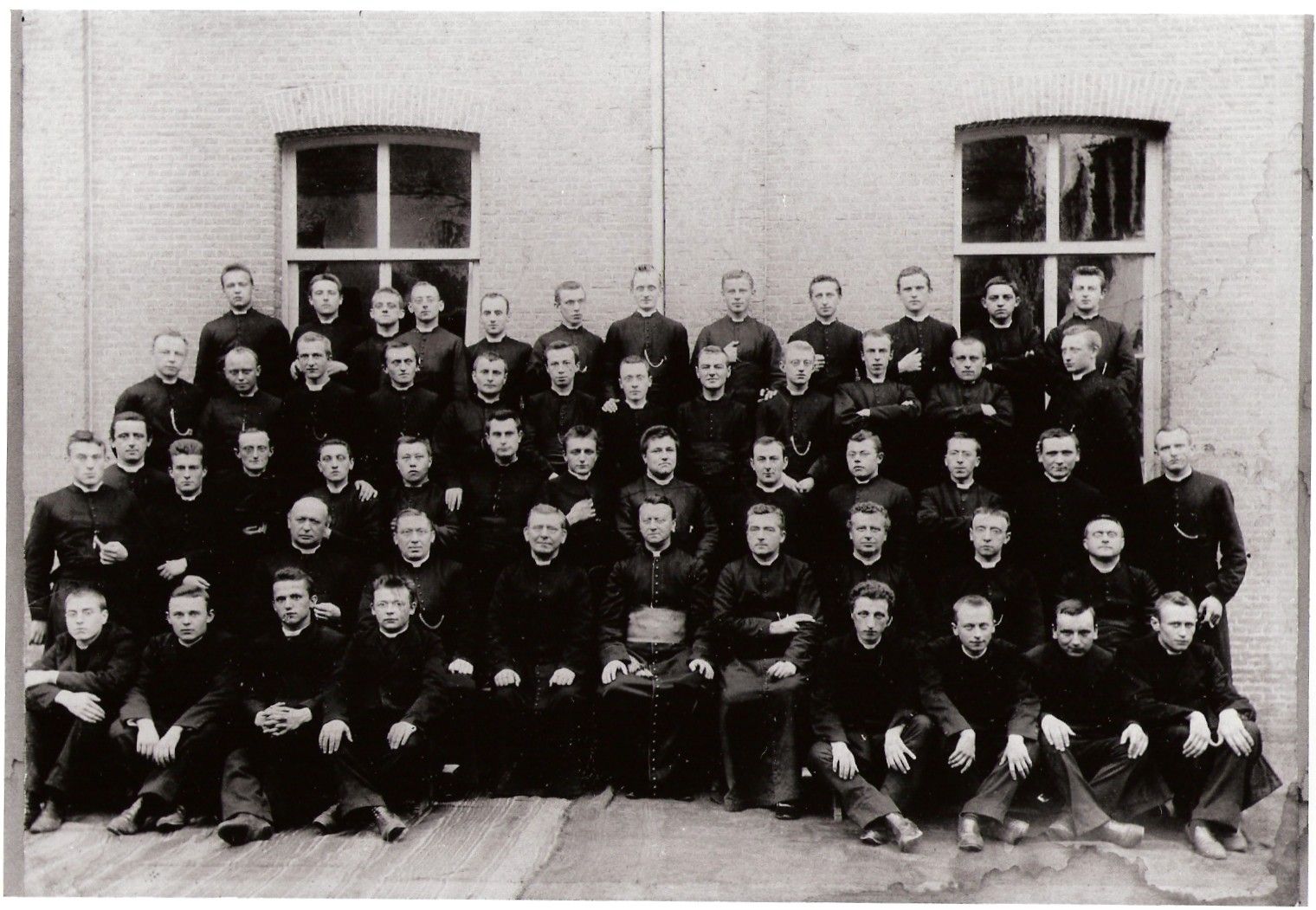
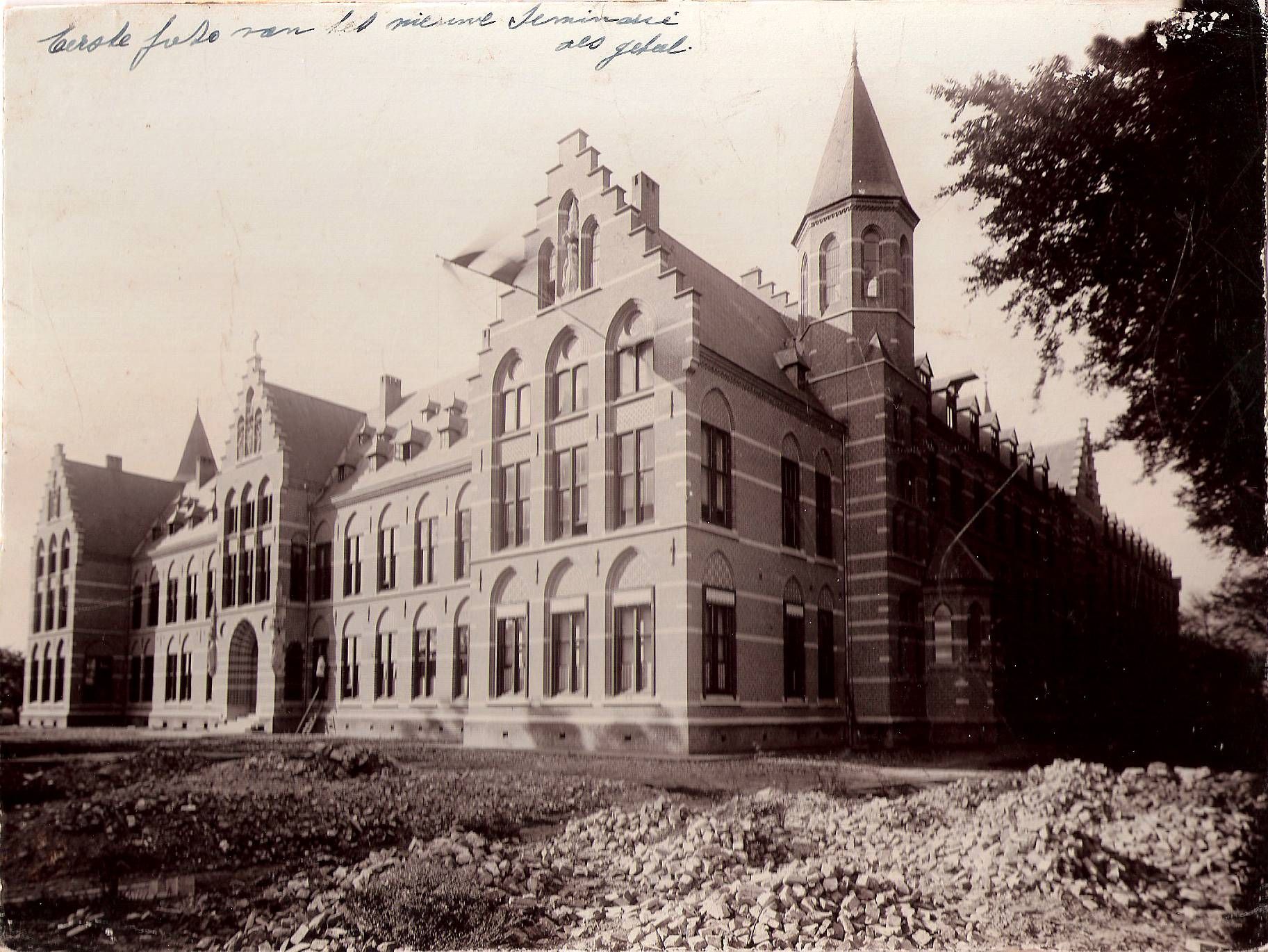
In the autumn of 1895, Petrus JH (Pierre) Cuypers was commissioned to design an entirely new monastery. The old seminary house and bishop's house were demolished, and a new Neo-Gothic building was erected. This was first put into limited use in 1907 and completed in September 1908.
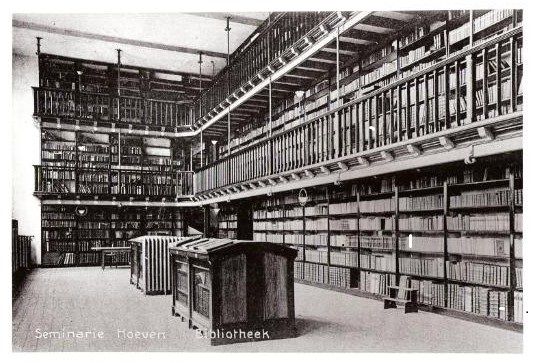
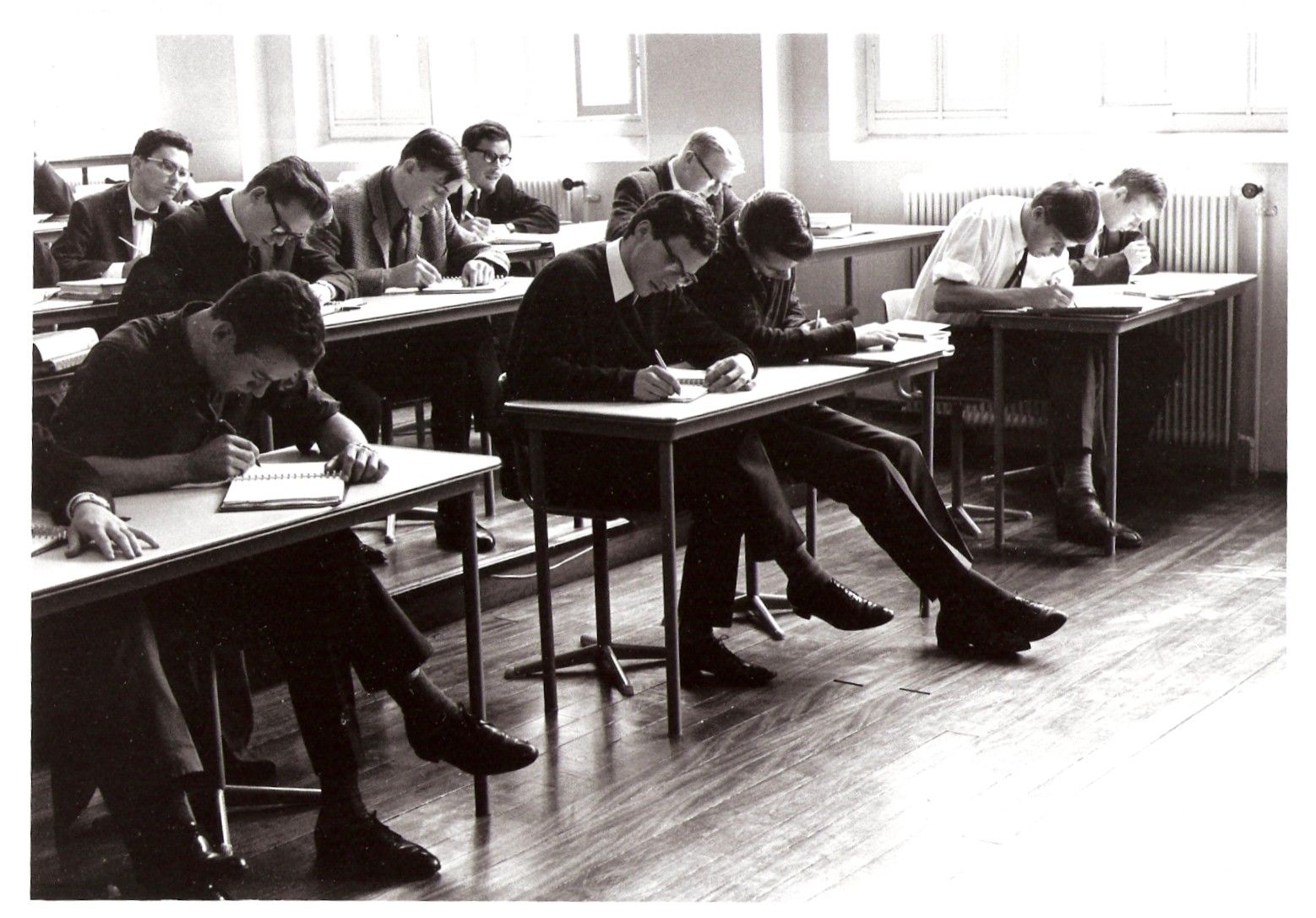
Due to the decline in the number of applications from priestly candidates, the building was vacated in 1967, with the valuable books being moved to the Free University of Amsterdam. The building stood empty for 11 years. A few idealists, led by Toon Hommel, founded a religious community, which became the basis for receiving groups. From this grew the initiative to establish, in 1983, a new type of priestly training for mature candidates from an employment situation: a part-time program.
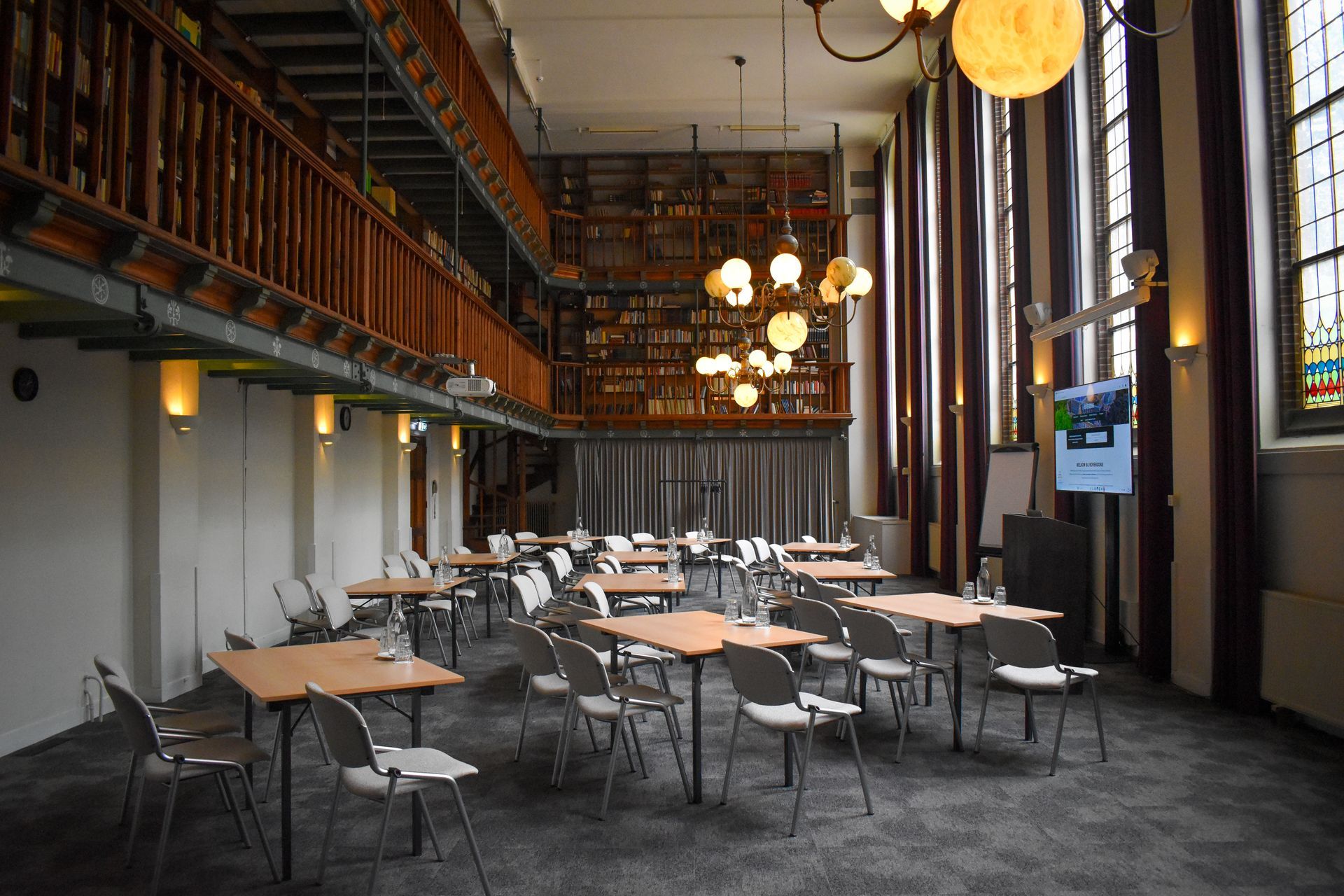
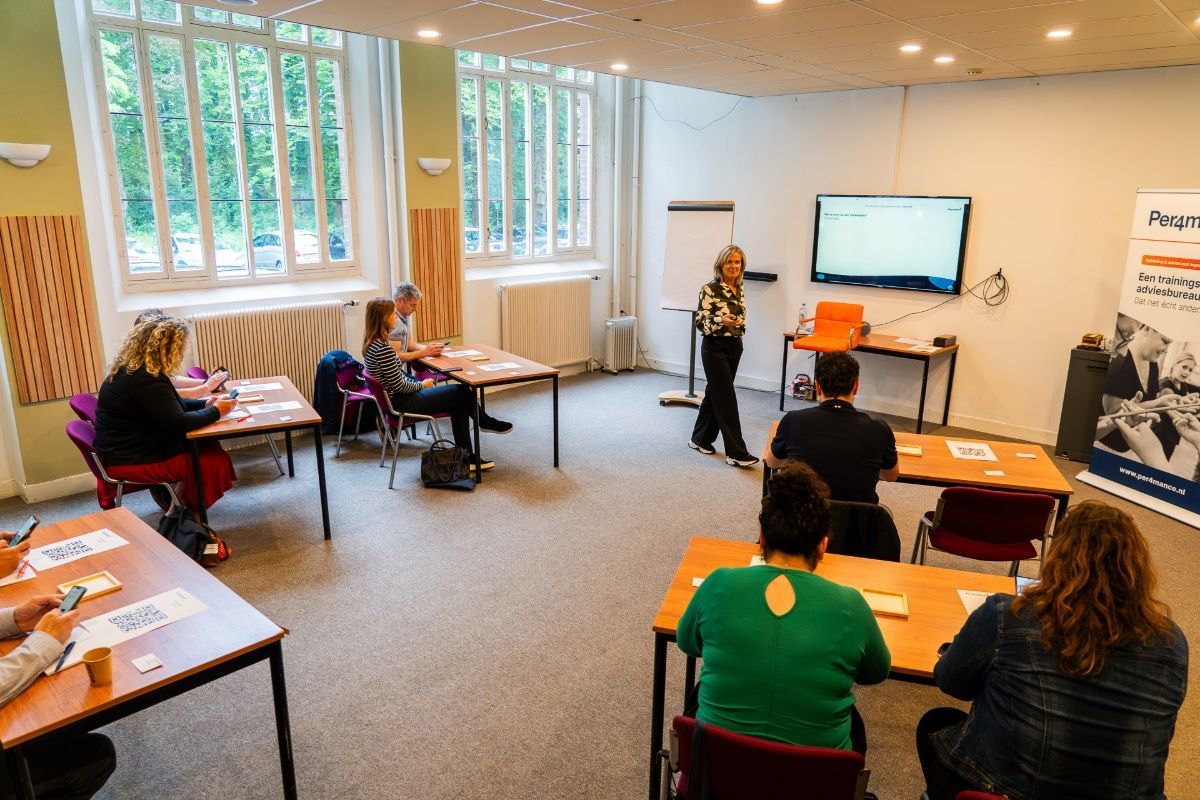
In 1990, a start was made with the professionalization and commercialization of the building's operation. The operating BV now leases the building to operate a conference center and hotel.
Guided tours* take place at Bovendonk throughout the year. During the tour, an enthusiastic local historian delves deeper into the remarkable history of Bovendonk.
Guided tours are available for groups of 10 or more people. These are available upon request.
1561: A time of wars begins.
Request your tour